

 Eng
Eng
Eng
Eng

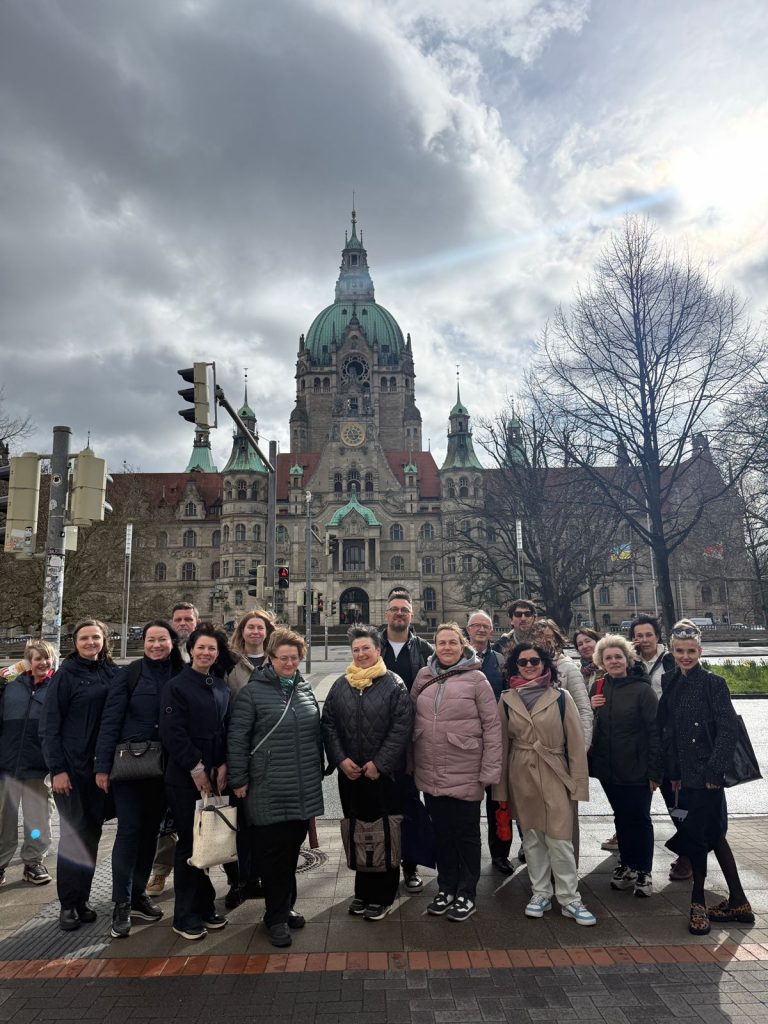
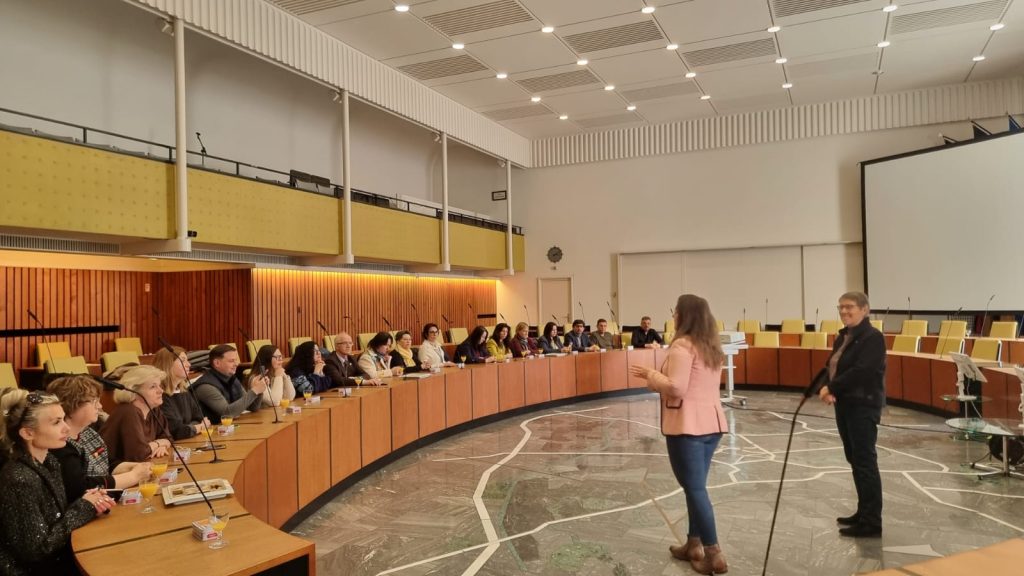
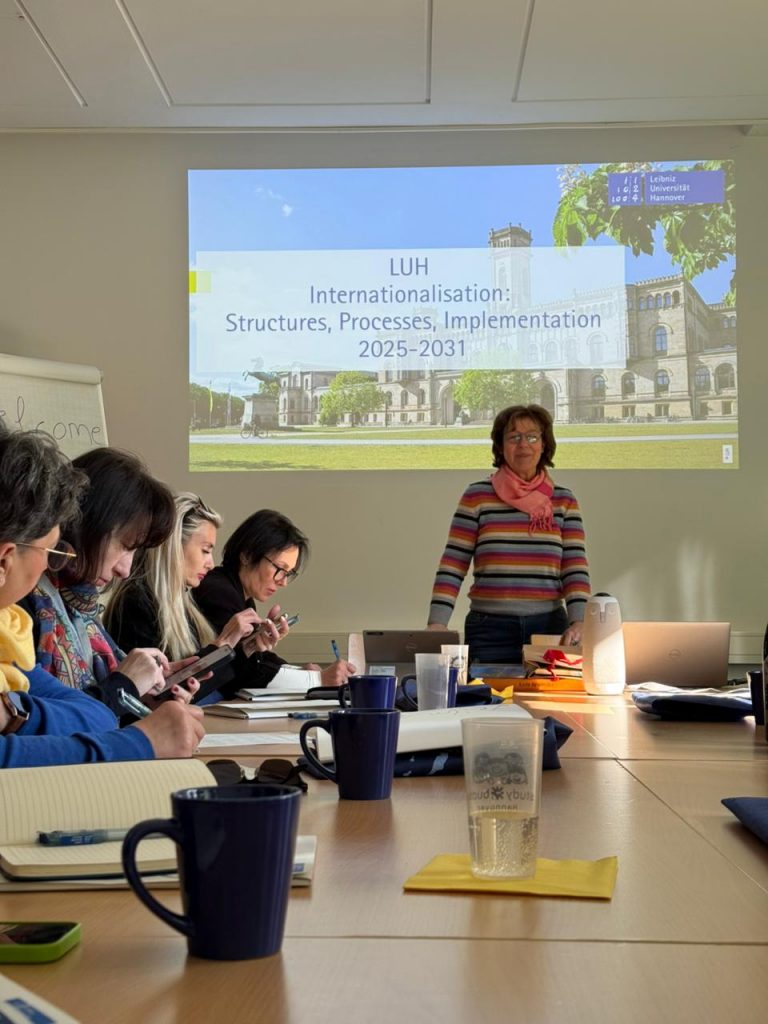
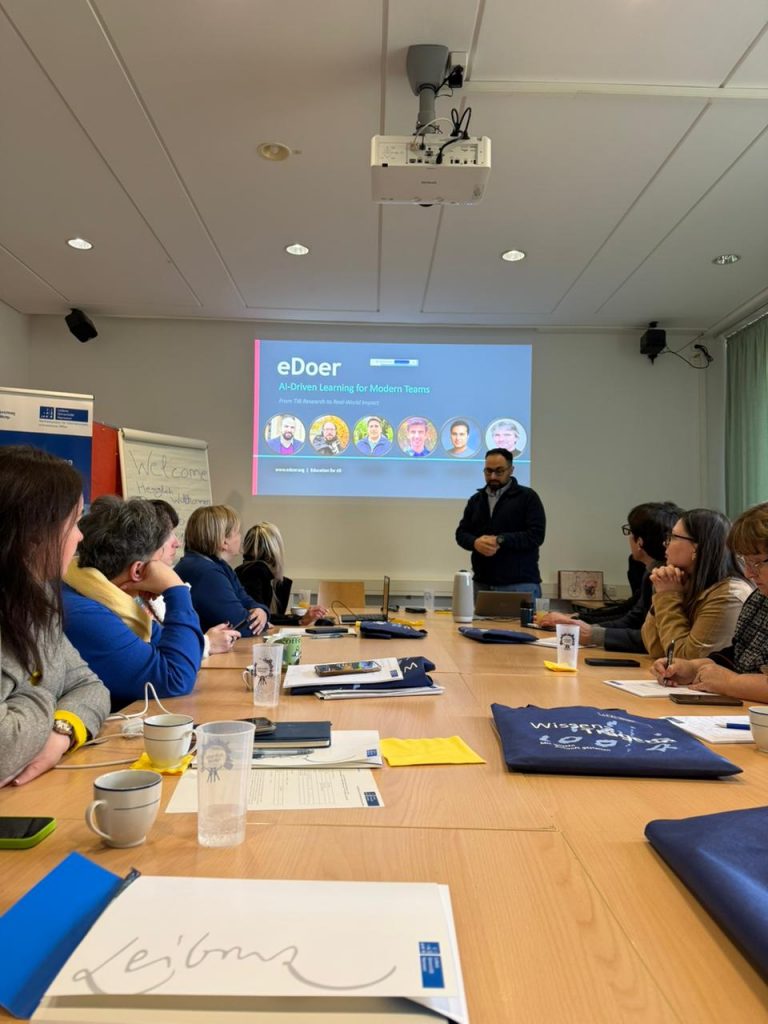
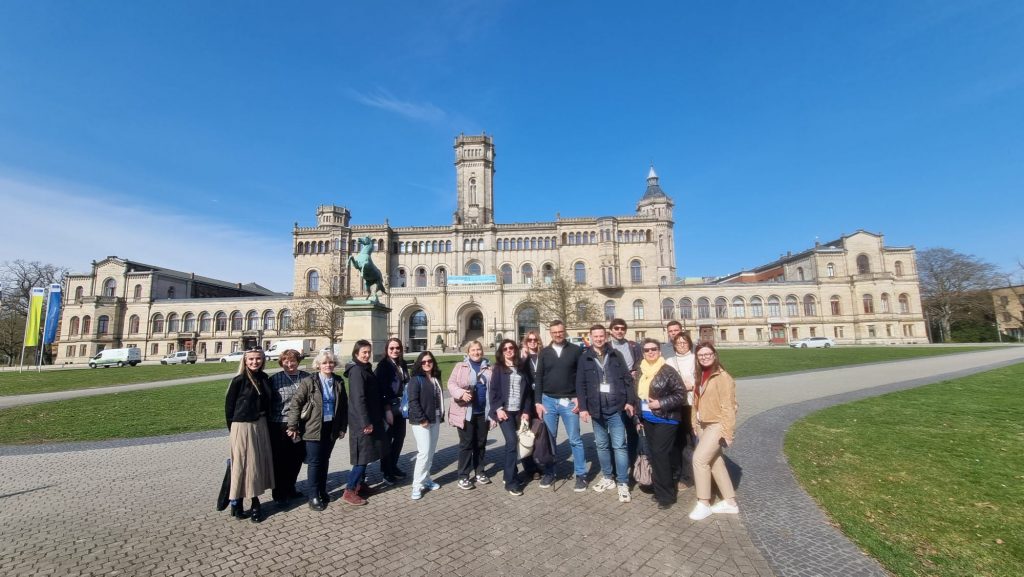
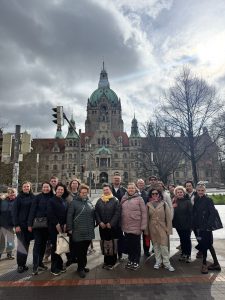
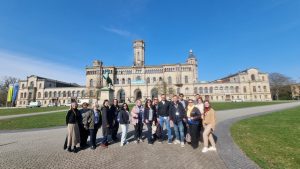
The Odesa National Medical University (ONMedU) took part in the partners meeting of the international project MInT Ukraine: Micro-Credentials as an Internationalisation Tool for Ukrainian Universities, held in Hannover at Leibniz University Hannover.
Iryna Savchenko, Assistant to the Rector for International Activities, has recently returned from this highly productive and inspiring event, which brought together representatives of 15 Ukrainian higher education institutions.
The project, developed by the International Office of Leibniz University Hannover, has been implemented within the DAAD programme line “German-Ukrainian University Network”. Key partners include the LUH Centre for Continuing Education (ZEW) and PNRM Ukraine.
The training was also attended by the Director of the Ukrainian State Center of International Education, Ms. Olena Shapovalova, highlighting the project’s national importance and its role in strengthening international educational cooperation in Ukraine.
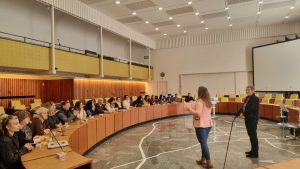
The meeting was not only a professional platform for discussing the implementation of micro-credentials, but also a space of genuine partnership, mutual support, and inspiration. The atmosphere of openness, trust, and shared commitment created a truly unique spirit of collaboration appreciated by all participants.
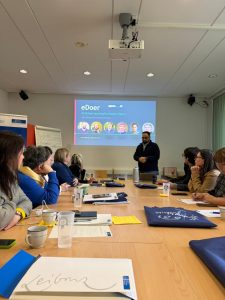
During the workshop, representatives of Ukrainian universities presented their institutional project ideas. The ONMedU team introduced the initiative “Pathways to Global Visibility: Micro-Credentials and International Quality Standards at ONMedU”, aimed at the systematic implementation of micro-credentials in line with international quality standards and transparent recognition of learning outcomes.
The project is expected to contribute to:
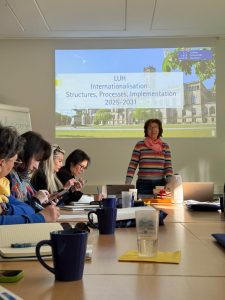
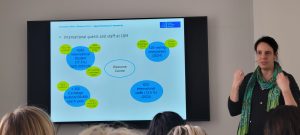
Particularly impressive were the insightful and highly practical lectures delivered by German colleagues, who shared their expertise in designing, implementing, and recognising micro-credentials. Participants gained a clear understanding that micro-credentials are not simply short courses, but a strategic tool for internationalisation, innovation, and flexible education.
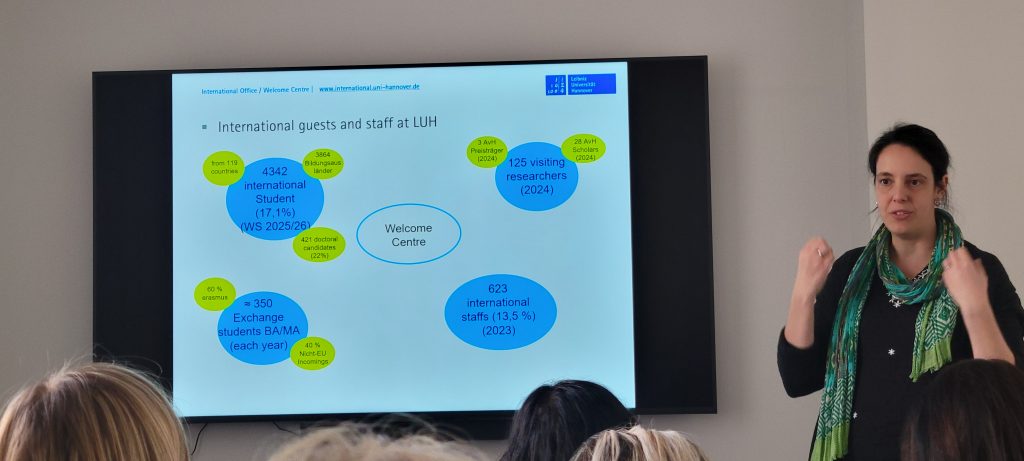
Special recognition should be given to the excellent organisation of the event and the well-designed programme in Hannover, which combined intensive academic work, networking opportunities, introduction to the German academic environment, and enriching cultural activities.
Sincere thanks are extended to Ms Nataliya Butych, Coordinator for International Cooperation with Eastern Europe at Leibniz University Hannover, for her outstanding coordination, continuous support, and for creating a welcoming and highly productive atmosphere.
Participation in the meeting opened new opportunities for strengthening international cooperation, co-developing educational products, and implementing innovative approaches in the educational process at ONMedU.

 Ukr
Ukr